The Tech Stuff journey began with an avid interest in older style games and operating systems, which offered so much more than their newer variants. From this enthusiasm for older style tech, came the realisation that, just because something was shiny and new, extensively marketed and theoretically popular, didn’t necessarily mean it was better.
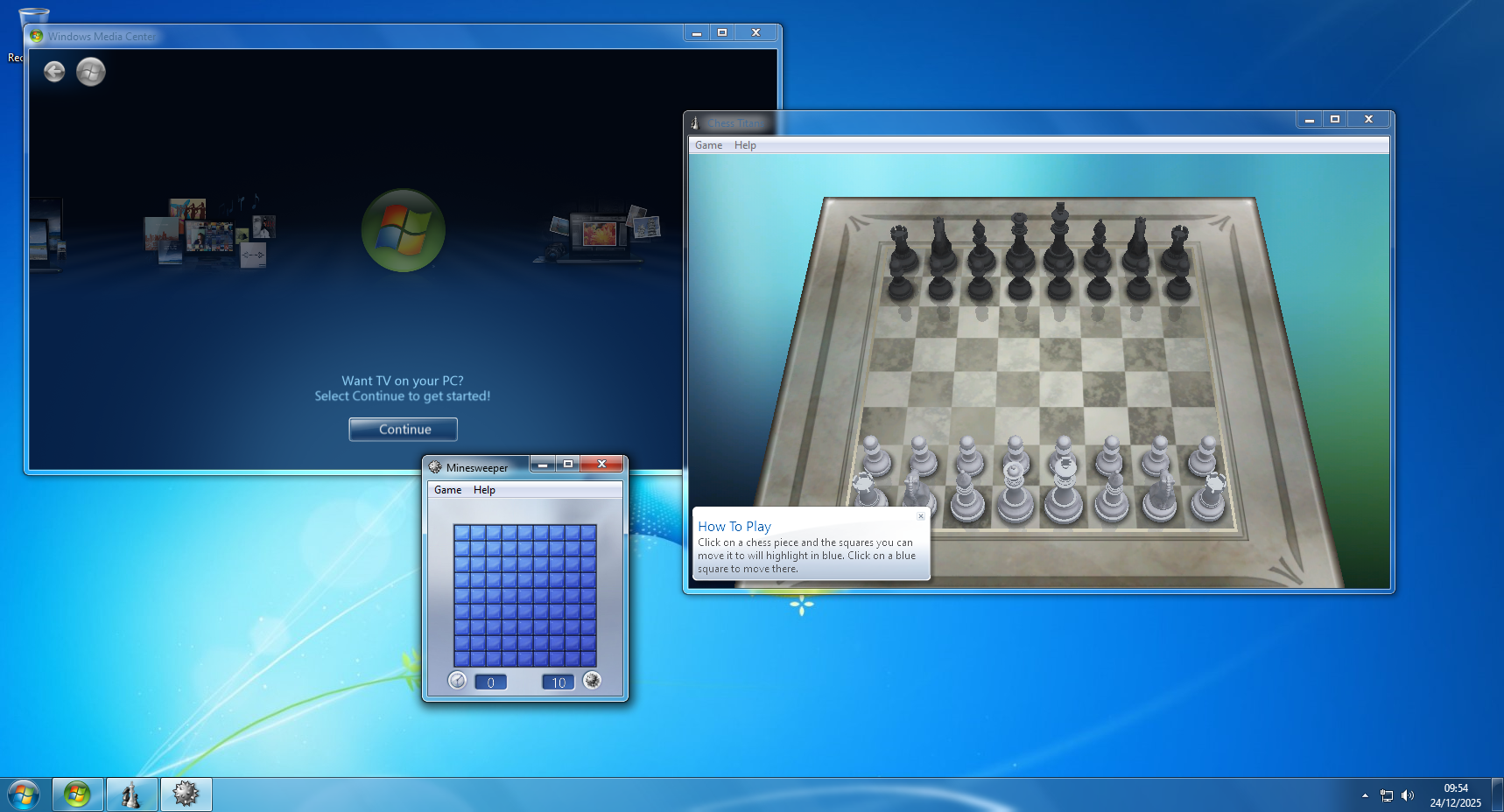
Flash games, which achieved peak popularity during the 2000s, were simple yet exciting, very accessible, quick to pick up and put down, and brought an explosion of creativity and innovation from budding independent developers. In contrast, HTML5 games came with large download sizes, and were typically slow, buggy, and complicated.
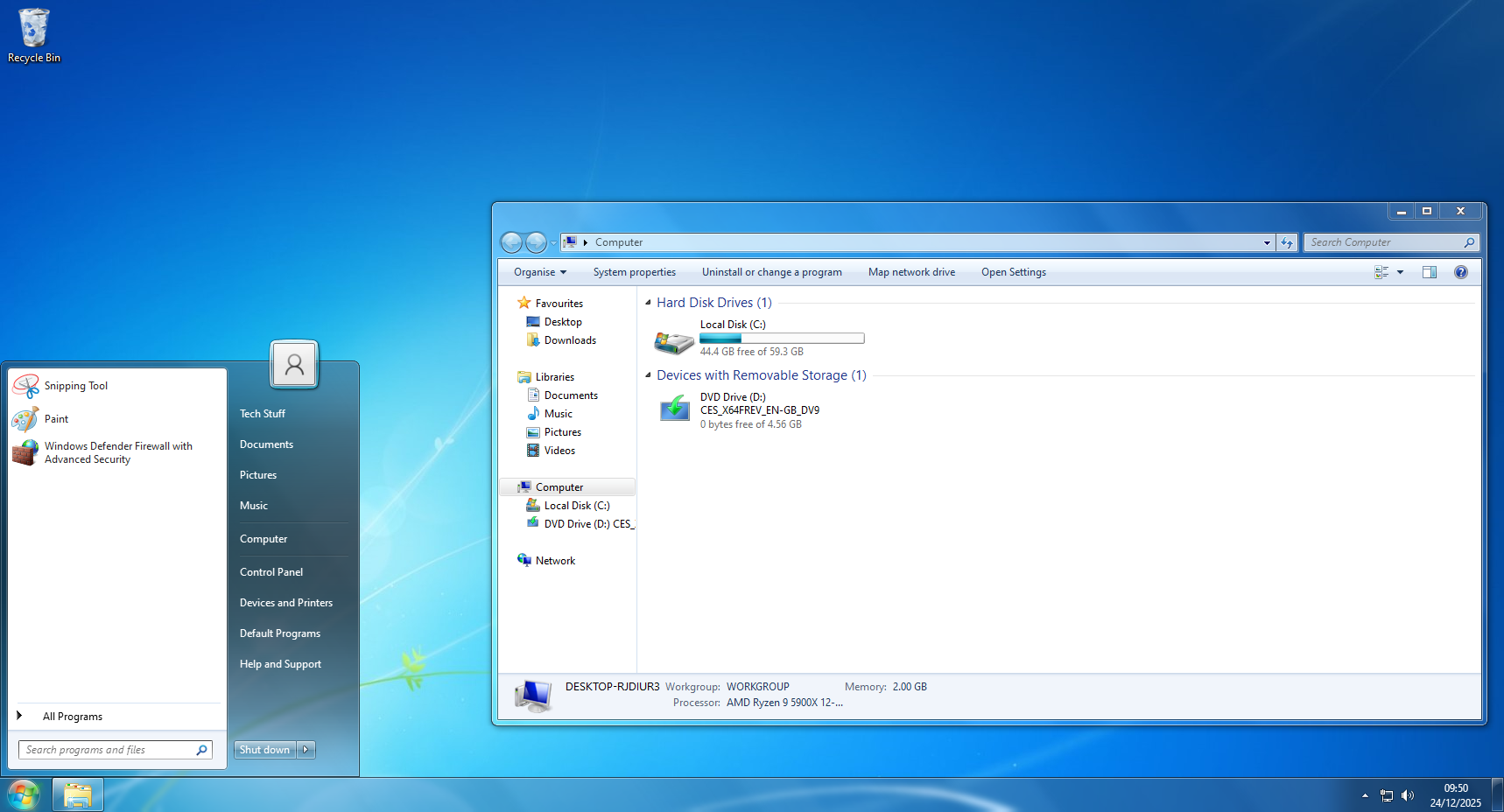
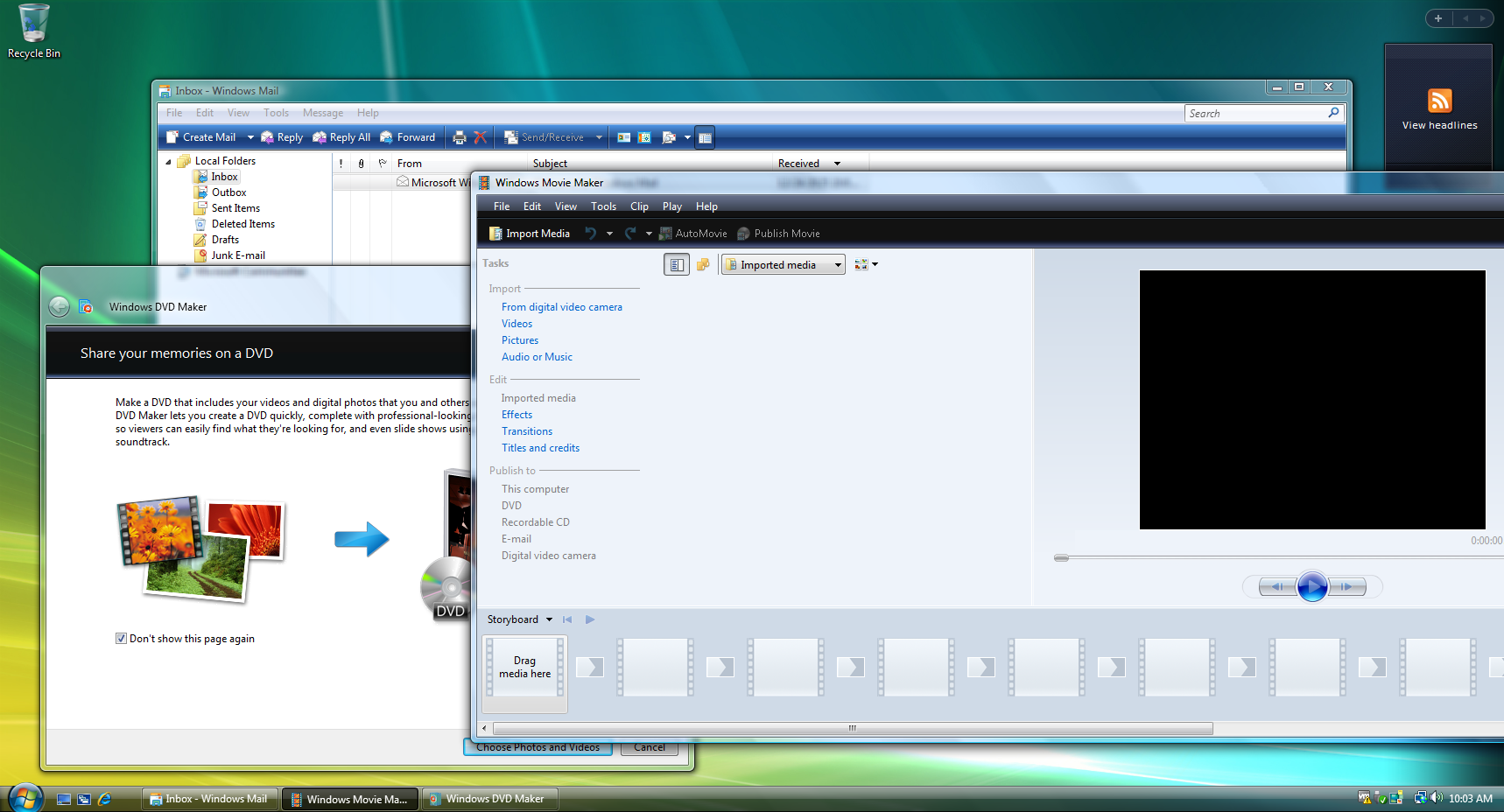
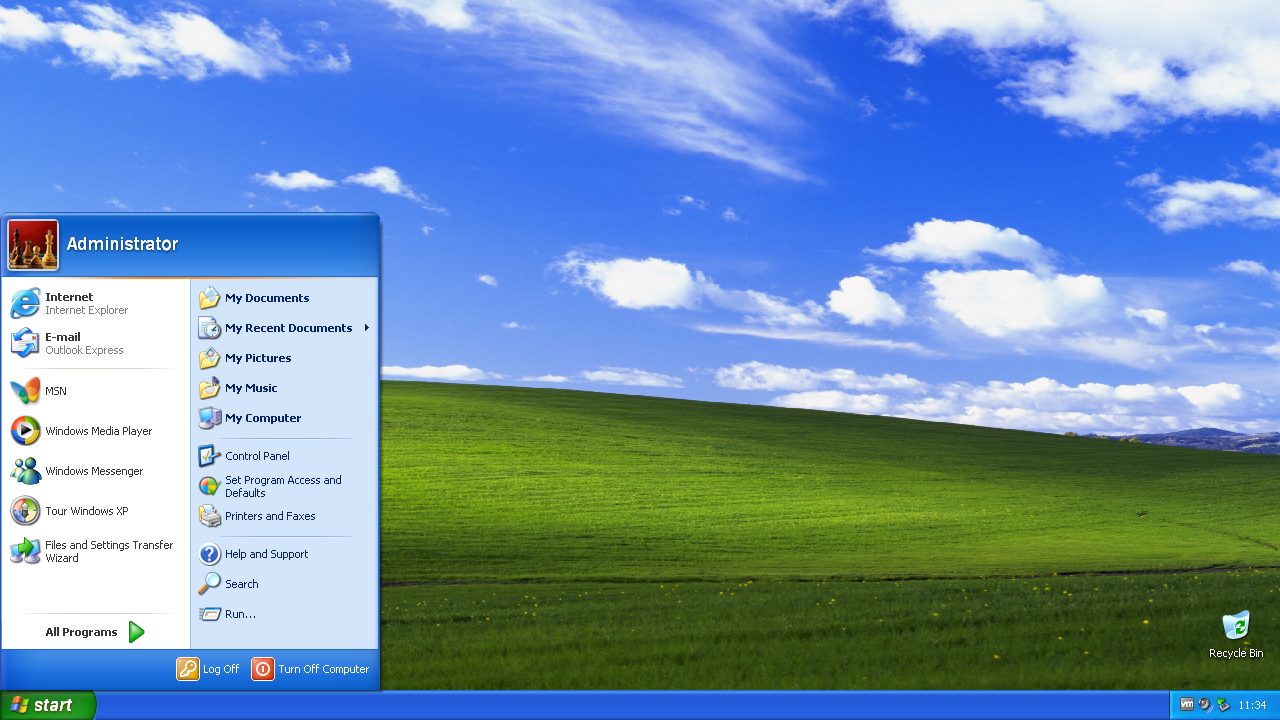
 A similar pattern was emerging with operating systems, with newer versions clearly not focusing on the interests of typical users. Whilst older OSs like Windows 7 were simple and clean, visually appealing and came without tracking, Microsoft’s more recent offerings had become unnecessarily complex, and included unwelcome tracking and preinstalled bloatware, insisting on the setting up of a Microsoft account to hold personal data.
Aware of the downsides to these modern technology trends, a new pathway emerged, which involved looking at how the superior yet older computer games, functions and interfaces could be restored. This laid the foundation for a programmer and software developer now inspired to create tools to improve and simplify things.
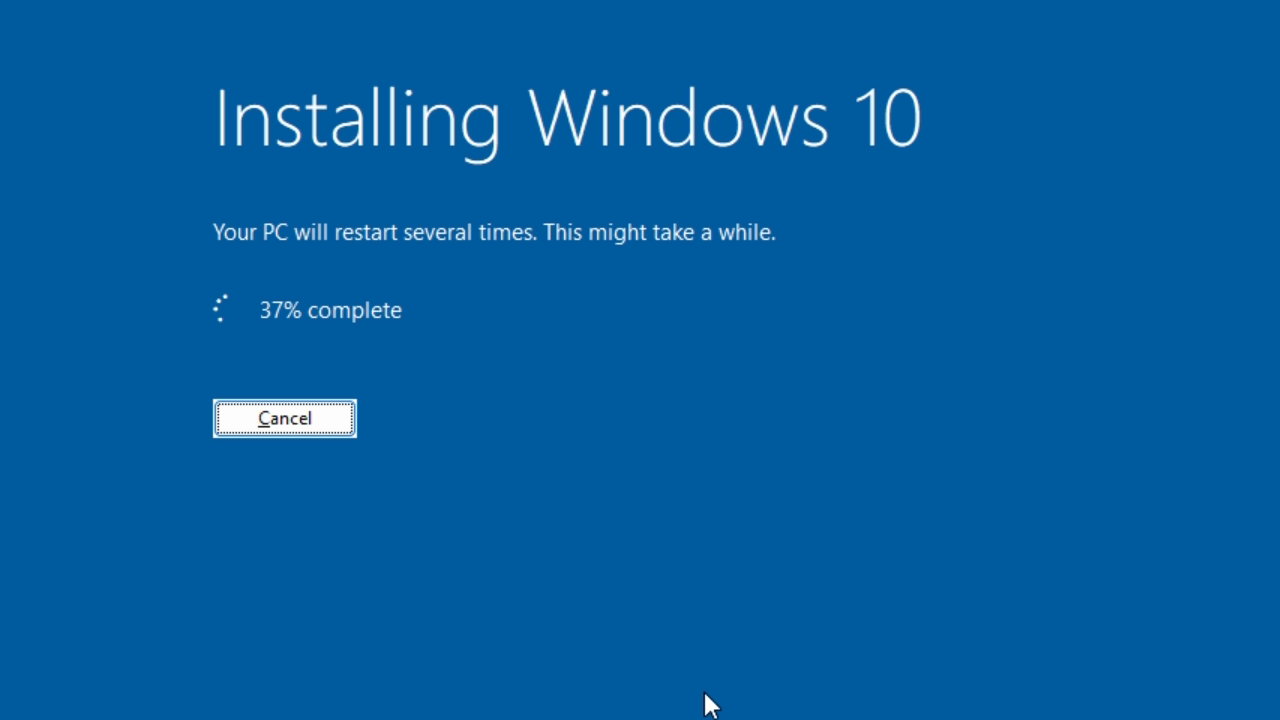
 So began the next stage of the journey, developing tools which restored these older, more functional designs. One of the earlier projects was to restore internet explorer and flash player on Windows 11, with subsequent projects including ‘upgrading’ from Windows 11 to 10, getting security updates for Windows 7 after the official end of support, and the automated, customisable transformation pack, Revert8Plus.
At the moment, there are several new projects being developed, alongside continued work on Revert8Plus, with many more innovative tools planned for the near future. The project news section on the home page details the latest updates and improvements to these, so check back regularly to keep up to date! The YouTube videos, which demonstrate these projects as they are released, are typically premiered, so if you want interesting and helpful ways to simplify and enhance your PC, then do subscribe to the channel. Finally, if you cannot find what you are looking for on the website or YouTube channel, then just get in touch.
Revert8Plus happened by chance, beginning with the creation of a script to install programs and configure settings. This script saved time, when frequently having to reinstall Windows. After lots of customisation tweaks, it appeared that the computer was looking increasingly like Windows 7, which was brilliant!
With further tweaks, the script continued to be updated, resulting in the emergence of a Windows 7 transformation pack. At the time, aware of no similar tool that could automate the process of making a computer look like Windows 7, the obvious next step was to publish the project, and so Revert8Plus was born!
Since its initial release in February 2024, Revert8Plus has been completely re-written from the ground up, with each subsequent version seeing significant improvements. It has been simplified and has enhanced performance, along with having many more features and being more customisable.
As ever, there are always more improvements being discovered, so Revert8Plus will continue to be developed for the foreseeable future.
Virus-32
Let us start with the most critical clarification. Despite its name, Virus-32 is not a computer virus. Classical viruses attach themselves to clean files and spread via human action (opening an infected attachment). Virus-32 operates nothing like that.
The name was coined by a junior analyst at a European cyber-intelligence firm who initially misclassified the hash signature. The "32" does not refer to 32-bit architecture; rather, it refers to the 32-second infection cycle that defines the pathogen’s behavior.
The first verified sample was recovered from a compromised SCADA (Supervisory Control and Data Acquisition) system at a water treatment facility in Iceland. The code was elegant, small (just 89 kilobytes), and contained no obvious payload. No files were encrypted. No ransom note appeared. Nothing was deleted. Yet the system’s latency spiked precisely every 32 seconds.
Unless you operate an industrial control system, a power grid, or a large-scale IoT network, your personal risk of encountering Virus-32 is low. However, basic hygiene remains vital:
And if your machine ever starts showing that strange, rhythmic lag—every 32 seconds, like a slow, mechanical heart—do not ignore it. You may have just met the ghost in the machine. virus-32
Stay informed. Stay skeptical. And remember: not every virus wants to destroy you. Some just want to watch.
This article is based on aggregated threat intelligence reports from SANS ISC, CISA Alert AA25-042B, and independent research published in the Journal of Cybersecurity and Firmware Analysis (Vol 12, Issue 3). Virus-32 is an evolving threat; consult your local cyber incident response team for the most current indicators of compromise.
Here lies the biggest challenge. Because Virus-32 can hide in peripheral firmware, simply reinstalling your operating system will not remove it.
The only confirmed removal procedure, verified by three independent forensics labs, is as follows: Let us start with the most critical clarification
For enterprise environments with hundreds of devices, this is catastrophic. As of this writing, there is no automated removal tool for Virus-32.
Unlike standard zombies that are purely decayed flesh, the infected in Virus-32 (often referred to as "The Mutations") possess distinct physical enhancements that make them formidable even during their active 32 seconds.
Skeptics argue that virus-32 is purely theoretical. However, security firms have reported anomalies that fit the profile.
While neither case was conclusively proven to be virus-32, both adhere to the "cross-architectural" definition. And if your machine ever starts showing that
Virus-32: A Cryptic Bacteriophage with Evidence of Metaprogrammable Lysis Delays and Horizontal Gene Transfer Across Domains
The title of the film refers to the specific biological constraint of the virus. This is the film's most defining and original feature.
Security researchers have observed that Virus-32 exhibits a behavior eerily similar to a biological virus: it remains dormant until specific conditions are met.
In laboratory tests, infected air-gapped computers (machines with no network connection) showed no anomalous activity for weeks. However, the moment a USB drive containing a specific file pattern—any file containing the hex sequence 0x7E32—was inserted, the virus "woke up." Within one 32-second cycle, it had jumped to the USB drive’s controller chip, not the files themselves.
This makes Virus-32 a cross-contaminant rather than a replicator. It does not copy itself as a file. It reprograms low-level hardware controllers to echo its behavior onto any new medium introduced.